The Room
Fireproof GamesPuzzle
4.834.17K Reviews
- Version
- 1.11
- Installs
- 1.00M
- Age Rating
- Everyone
Screenshots
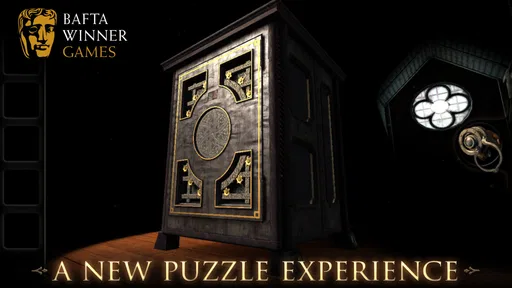
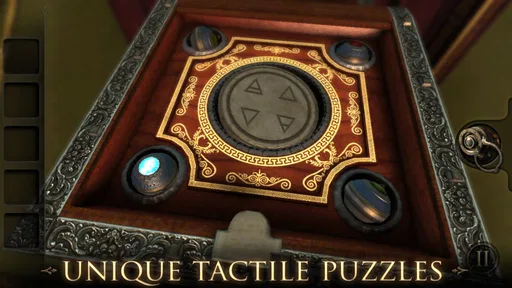
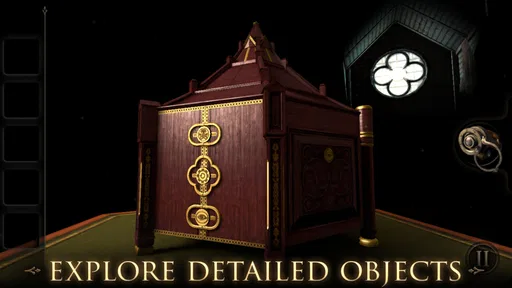
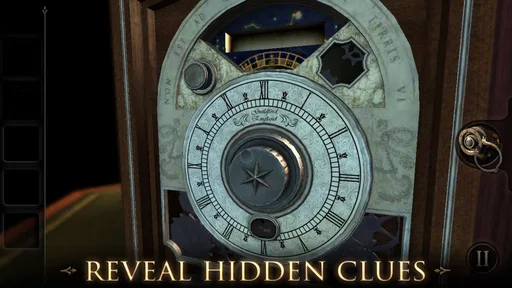
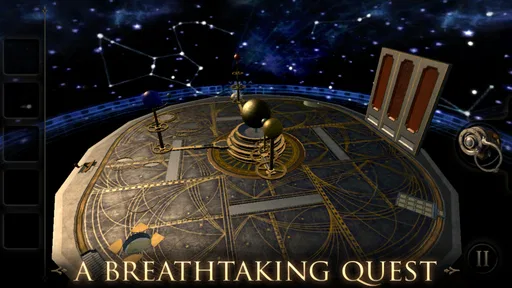
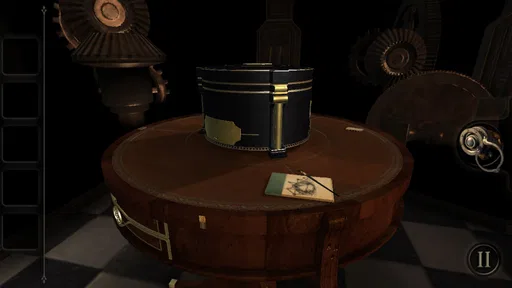
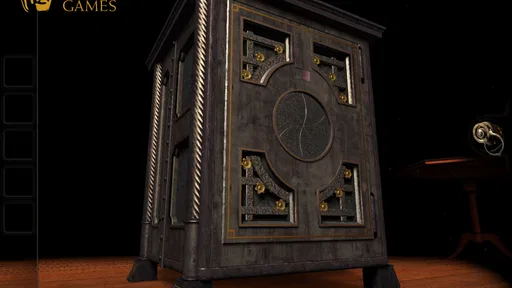
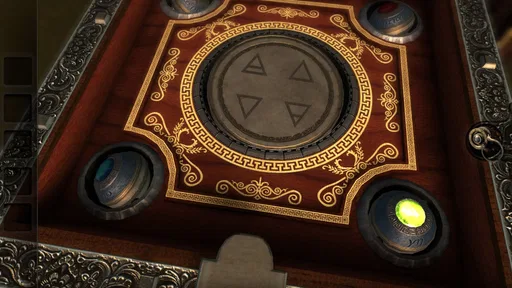
Our Review of The Room
 Analysis by Appyee
The first thing that makes this puzzle game click for me is how it turns careful looking into the main way forward. You are not racing through a maze of unrelated riddles; you are studying a single object, noticing a detail that seemed decorative, and testing whether it might move, open, or reveal something else. That focus gives the experience a satisfying rhythm: look, try, reconsider, and finally understand why a mechanism was there. The Room is a good fit when I want a game that rewards attention rather than quick reactions.
Why the box is more than a collection of locks
Fireproof Games builds the puzzles around tactile machinery. The central pleasure is not simply finding a key and using it once, but working out how the parts of a carefully arranged object relate to one another. A panel, dial, or small change in the box can make me re-examine what I thought I knew. That makes progress feel earned: I am learning the object’s logic, not just ticking off clues.
This approach also gives the game a distinctive kind of mystery. The box invites inspection before it offers explanations, so I make sense of its purpose through its parts. The atmosphere helps, but it is the physical puzzle language that keeps me involved. When I finally spot a connection, the pleasure comes from recognizing a pattern that was present all along.
How I play when a mechanism stops making sense
I get the best results by treating each puzzle as a small investigation instead of tapping every surface at random. I scan the whole object, note anything that looks unusual, then return to likely controls and test one possibility at a time. If something shifts or exposes a new detail, I inspect that change before moving on. This simple routine prevents the box from becoming a blur of guesses and makes it easier to remember what I have already tried.
When I hit a wall, I pause and look for a relationship between the clue I can see and the part I have not yet used. The hint system is useful here because it can point me toward the next step without immediately taking over the puzzle. I prefer to use a hint only after a fresh scan; that keeps the solution feeling like mine while preventing a long stretch of aimless tapping.
Touchscreen controls make close inspection feel natural, though small details can still demand patience. On a phone, I sometimes need to reposition my fingers or rotate my view carefully to interact with a specific part. It is worth slowing down rather than assuming a puzzle is unclear: a mechanism may require a more deliberate touch than a broad swipe. Playing somewhere calm also helps, since a missed visual clue can be more frustrating when I am distracted.
A good fit for a quiet break
I can imagine opening it during a quiet commute, over a coffee, or at home when I have a little time to concentrate. It suits short sessions because I can focus on one discovery at a time, but it is also easy to stay with a puzzle longer when a new mechanism appears. I would avoid starting a tricky section when I have only a few seconds to spare; stopping in the middle of an observation-heavy puzzle can make it harder to pick up the thread later.
Compared with quick match-and-clear puzzles, this is a slower, more hands-on experience. Compared with word puzzles, it relies less on vocabulary and more on visual reasoning and spatial attention. That makes it appealing if you enjoy examining objects and testing ideas, but less suitable if you want constant action, a score-chasing loop, or a puzzle that can be solved while barely looking at the screen.
It is also a focused choice rather than a broad puzzle toolbox. I would choose it for an atmospheric, object-centered challenge; I would choose a daily puzzle app instead if I wanted brief, repeatable rounds or a changing set of unrelated formats. Here, the pleasure comes from staying with one crafted world and gradually understanding how its pieces fit together.
Unveiling the Mysteries
From the moment you launch The Room, you’re transported into a world filled with intrigue and enigma. The game’s premise is simple yet intriguing. You find yourself in a dimly lit room with nothing but a mysterious box in front of you. Your mission? To unlock the secrets hidden within.
Each level introduces a new puzzle box, each more intricate than the last. It’s like peeling back the layers of an onion, except each layer is a beautifully crafted piece of machinery begging to be solved. The game does a fantastic job of immersing you in its world through its realistic graphics and atmospheric sound design. You can almost feel the grain of the wood and the cold metal as you twist and turn each piece.
A Feast for the Eyes and Ears
One thing that really stands out about The Room is its stunning visual design. The developers have gone above and beyond to create a visually immersive experience. The attention to detail is incredible; every bolt, lever, and gear feels meticulously crafted. It’s a treat for both the eyes and the mind.
And let’s not forget about the sound. The eerie background music sets the mood perfectly, while the sound effects add an extra layer of realism. Every click and whirr as you manipulate the puzzles feels satisfying and adds to the overall immersion.
Puzzle Paradise
If you’re a fan of puzzles that truly challenge your grey matter, it won't disappoint. Each puzzle requires a different approach, demanding both logical thinking and a keen eye for detail. It’s a delightful blend of observation and deduction.
What makes the puzzles even more engaging is the way they build on one another. Solving one puzzle opens up new pathways and possibilities, making it feel like you’re on an epic quest for knowledge. It’s a game that rewards patience and perseverance, which makes the eureka moment of solving a particularly tricky puzzle all the more satisfying.
Hints and Tips
Feeling stuck? Don’t worry, the game has your back with a helpful hint system. It’s unobtrusive and provides just enough guidance to nudge you in the right direction without spoiling the fun. It’s perfect for those moments when you feel like you’ve hit a wall and need a little push.
But trust me, the real joy comes from figuring things out on your own. The game encourages you to experiment and think outside the box – no pun intended! It’s a rewarding experience that keeps you coming back for more.
What to expect before you settle in
For a casual player wondering whether this is approachable, I’d say yes if you enjoy looking closely and trying possibilities without needing a timer to push you along. The puzzles ask for concentration, but the hint system gives a way forward when a clue refuses to click. It is not the right pick if frustration quickly outweighs curiosity, or if you prefer clear instructions before you start interacting.
The game is a paid puzzle rather than a free collection of bite-sized challenges: it costs $0.99. Its Everyone age rating makes it suitable for a broad audience, though the quiet, mysterious mood will appeal more to players who enjoy a little unease than to anyone seeking a cheerful, noisy arcade feel. I would also check that a device meets the minimum OS requirement of 6.0 before installing.
Its long-running audience is notable without being a reason to assume every puzzle will suit every player. It holds a 4.8 average from around 288,000 ratings, with over a million installs and around 34,000 written reviews. I read that as strong evidence that its particular style has found an audience, not as a promise that its slower pace will work for someone who wants constant novelty.
Small habits that make the puzzles smoother
A useful habit is to separate observation from action. First examine the whole surface, including parts that look like decoration; then interact with one candidate at a time. If a response is subtle, repeat the action slowly and watch for a change in the object rather than tapping faster. This is especially helpful on a smaller screen, where a tiny visual shift can be easy to miss.
I also recommend keeping a mental note of clues that do not make sense yet. A mark or symbol may become useful only after another piece has moved, so it is better to revisit it than to force an immediate explanation. If I am playing with someone else, taking turns describing what we notice works better than both people tapping at once. It turns the game into a relaxed shared deduction exercise without taking away the satisfaction of solving it.
Sound is part of the atmosphere, but I would not rely on it as the only way to understand what is happening. The visible changes and the feel of each interaction are central to reading the box. If I am playing in a noisy place, I can still focus on the visual clues; for the most immersive mood, a quiet setting lets the eerie soundtrack and small mechanical sounds do their work.
Where its limits matter
The same focus that makes the game memorable also narrows its appeal. There is one central style of play, so anyone hoping for a rotating selection of puzzle genres may find it less varied than a general puzzle app. Its deliberate pace can feel absorbing when I am curious, but slow when I only want a quick distraction with an obvious stopping point.
It is also possible to mistake a missed interaction for a hard puzzle. Touch controls can be precise, and a player who rushes may overlook a small feature or fail to engage with it as intended. I find that patience solves many of these moments, but someone who dislikes close inspection may prefer a word game or a more direct logic puzzle. The hints soften the difficulty; they do not change the fact that progress depends on noticing details.
For a first-time player, my practical advice is to give it a calm session rather than judging it during a distracted minute. If the box’s visual clues and mechanical responses draw you in, the gradual discoveries are the point. If you want the game to tell you exactly what to do or to reward fast reflexes, choosing another kind of puzzle will probably be more satisfying.
A compact purchase with a clear identity
Version 1.11 is the current version, and the game was released on April 5, 2013. Those details place it among established puzzle experiences, but what matters more in practice is that its core appeal is easy to understand: study the object, uncover how it works, and follow the trail of mechanisms. I would buy it for that focused promise, not because I expect it to behave like a daily challenge service or a large collection of unrelated games.
That clarity makes it easy to recommend selectively. A curious player who likes tactile puzzles can settle into it without needing a competitive streak or specialist knowledge. A player looking for social features, endless rounds, or a new puzzle format every session should look elsewhere. Knowing which kind of evening you want is the simplest way to decide whether its slow, deliberate approach will feel relaxing or restrictive.
Final Thoughts
In a world saturated with fast-paced games, it offers a refreshing change of pace. It’s a game that invites you to slow down, pay attention, and relish every moment of discovery. Whether you’re a seasoned puzzler or a curious newcomer, it’s a journey worth embarking on.
So, if you’re ready to dive into a world of mysteries and challenge your intellect, The Room is waiting for you. Just remember to bring your thinking cap and a curious mind – you’re going to need it!
For me, the recommendation comes with one clear condition: enjoy the process of looking before you act. This is a compact, tactile puzzle game from Fireproof Games that trusts its details to guide you, and its $0.99 price makes that focused experience easy to consider. I would reach for it when I want a quiet challenge built around observation and deduction, and pass when I want speed, variety, or a stream of quick wins.
Verdict
Strengths of The Room
- Immersive puzzles enhance cognitive skills.
- Stunning graphics enrich the gaming experience.
- Intuitive touch controls make navigation easy.
- Engaging storyline keeps you hooked.
- Regular updates add new challenges.
Limitations of The Room
- Limited replayability after solving puzzles.
- Requires a large amount of storage space.
- Some puzzles can be frustratingly difficult.
- Not all devices are fully supported.
- In-app purchases can be expensive.
Other Releases by Fireproof Games
View All


Similar Picks in This Category
View All
Block Blast!
HungryStudio4.8

Braindom: Brain Games Test
Lahana Game Studio4.6

AMAZE!
CrazyLabs LTD4.6

Sudoku - Classic Sudoku Puzzle
Oakever Games4.7

Art Puzzle - Puzzle Games
Easybrain4.8

Amaze GO!
Oakever Games4.9
Frequently Asked Questions
What is the main objective of The Room?
The Room is a puzzle game that challenges players to solve intricate puzzles within beautifully designed environments. The main objective is to unlock a series of boxes by solving complex puzzles, using clues and interactive elements provided in the game. It’s all about observation, patience, and clever problem-solving.
Is The Room suitable for all ages?
The Room is generally suitable for ages 12 and up due to its challenging puzzles and sometimes eerie atmosphere. While there is no explicit content, the game’s complexity and the dark, mysterious themes might be more appealing to older children and adults who enjoy immersive puzzle-solving experiences.
What platforms is The Room available on?
The Room is available on both Android and iOS platforms, making it accessible to a wide range of mobile users. Additionally, the game has been adapted for PC, allowing players to enjoy the intricate puzzles on a larger screen. Always check your device’s compatibility before downloading.
Does The Room require an internet connection to play?
No, The Room does not require an internet connection to play once it is downloaded and installed. This makes it a great option for offline gaming, allowing players to enjoy the mysterious puzzles anywhere without worrying about data usage or connectivity issues.
Are there in-app purchases in The Room?
The Room is generally a one-time purchase game, meaning players pay once to download and own the game. It does not have in-app purchases or microtransactions, allowing players to focus on enjoying the game without additional costs or interruptions. Always verify any specific details on the app store before purchase.
Play our best games!


